
with the Royal Society for the Blind
Affiliates

See Differently is a not-for-profit organisation and has a Deductible Gift Recipient (DGR) status with the Australian Tax Office. ABN 37 680 837 839
with the Royal Society for the Blind
See Differently is a not-for-profit organisation and has a Deductible Gift Recipient (DGR) status with the Australian Tax Office. ABN 37 680 837 839
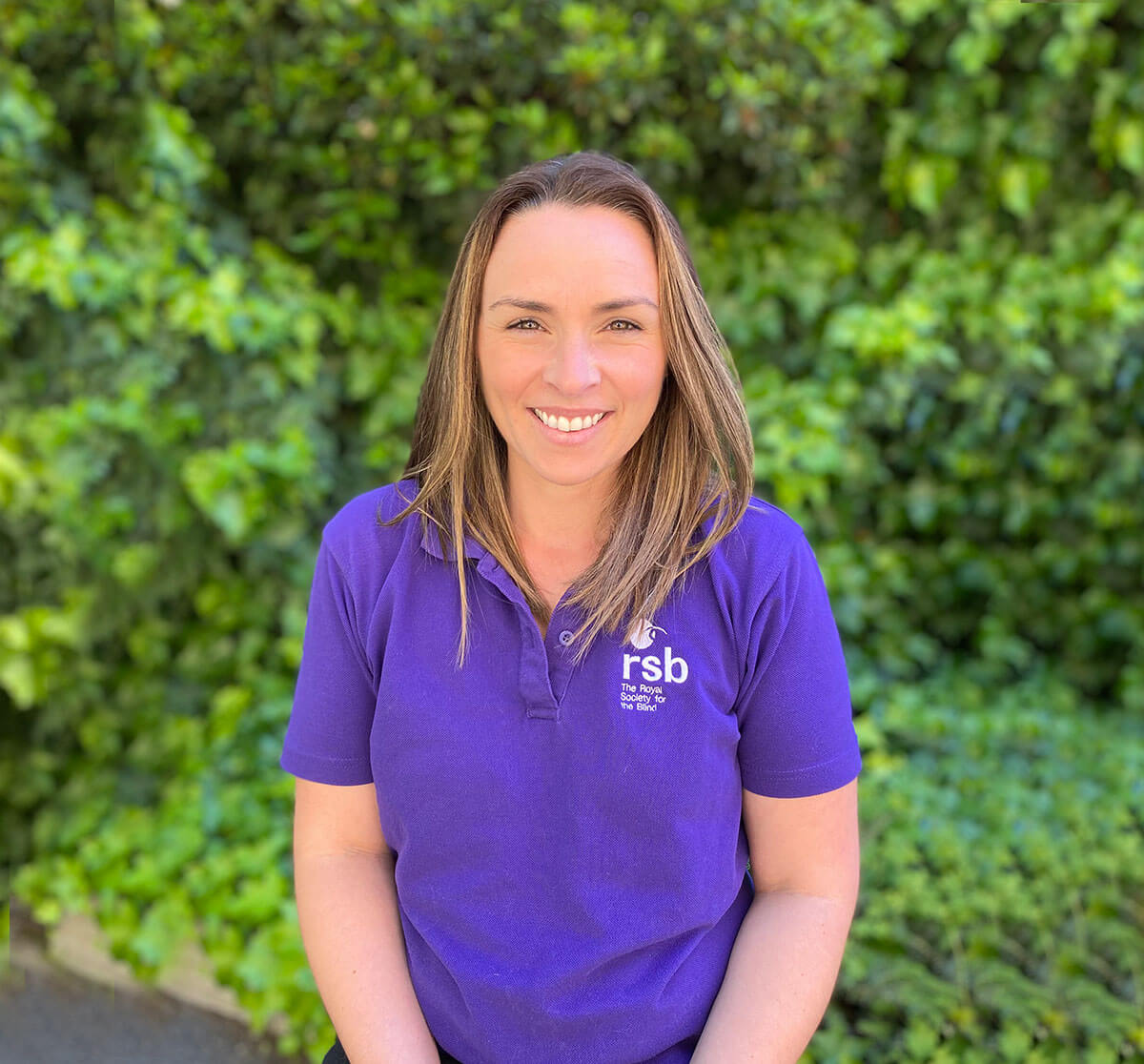
Emma has been involved in RSB’s Autism Assistance Dog program since its inception, and a highlight of her working day is seeing the interaction between the children and their families and Marty (RSB’s very loveable Autism therapy dog).
Emma feels lucky to work in such a dynamic team which is passionate about increasing the confidence of their clients through increased independence and capacity.
Whilst she’s not a fan of birds, Emma is surrounded by animals at home, in the form of a Golden Retriever (Winnie) and two ragdoll kittens, which her two young children are besotted with.
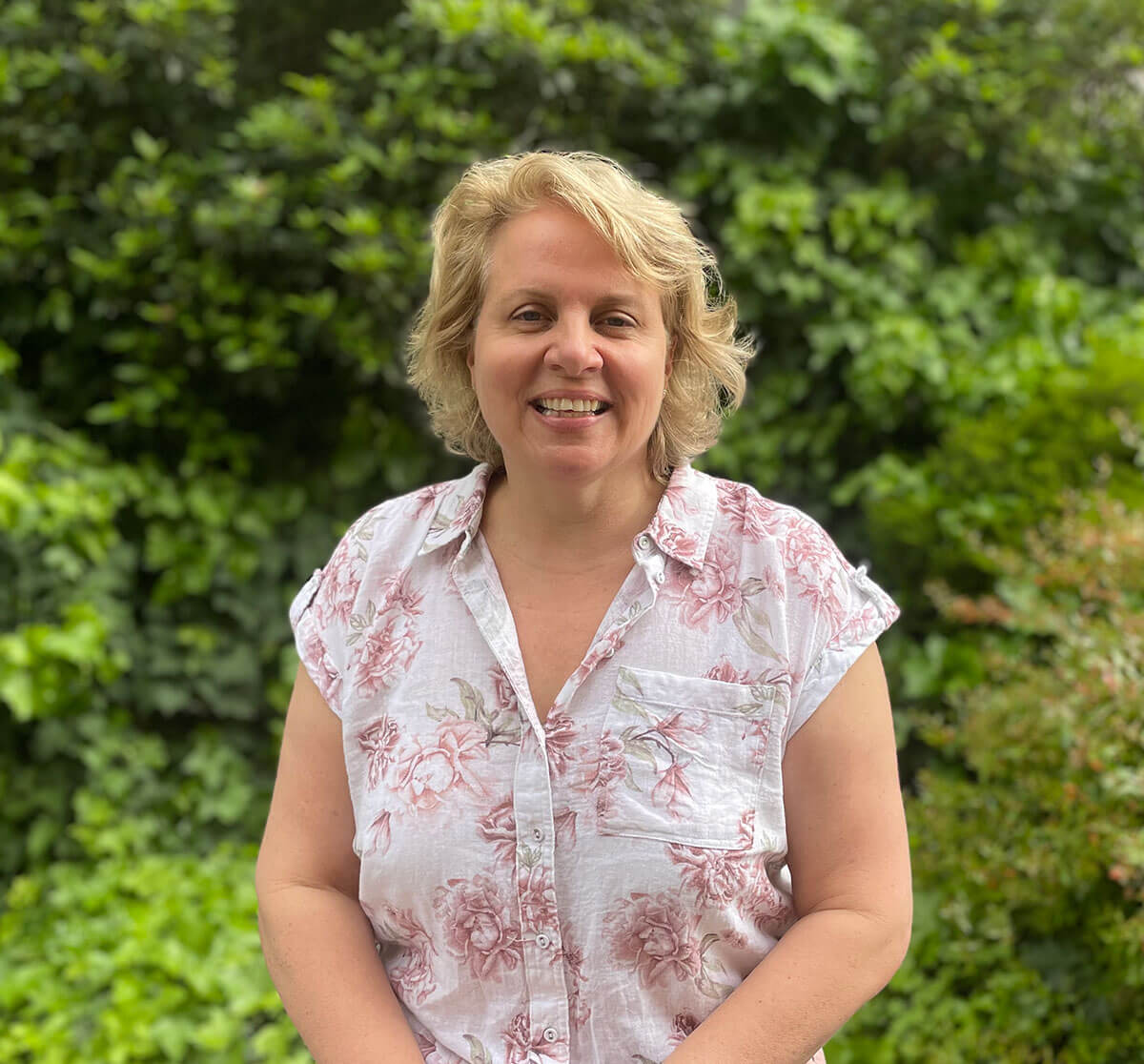
Teresa’s favourite part about working at RSB?.. Working with older clients; fighting frailty, reducing falls, and increasing independence and confidence in people living with low vision. She also loves seeing dogs in the RSB workplace!
Originally from the UK, Teresa is now making the most of South Australia’s beaches, where you’ll find her kayaking, cycling, or walking her dog.
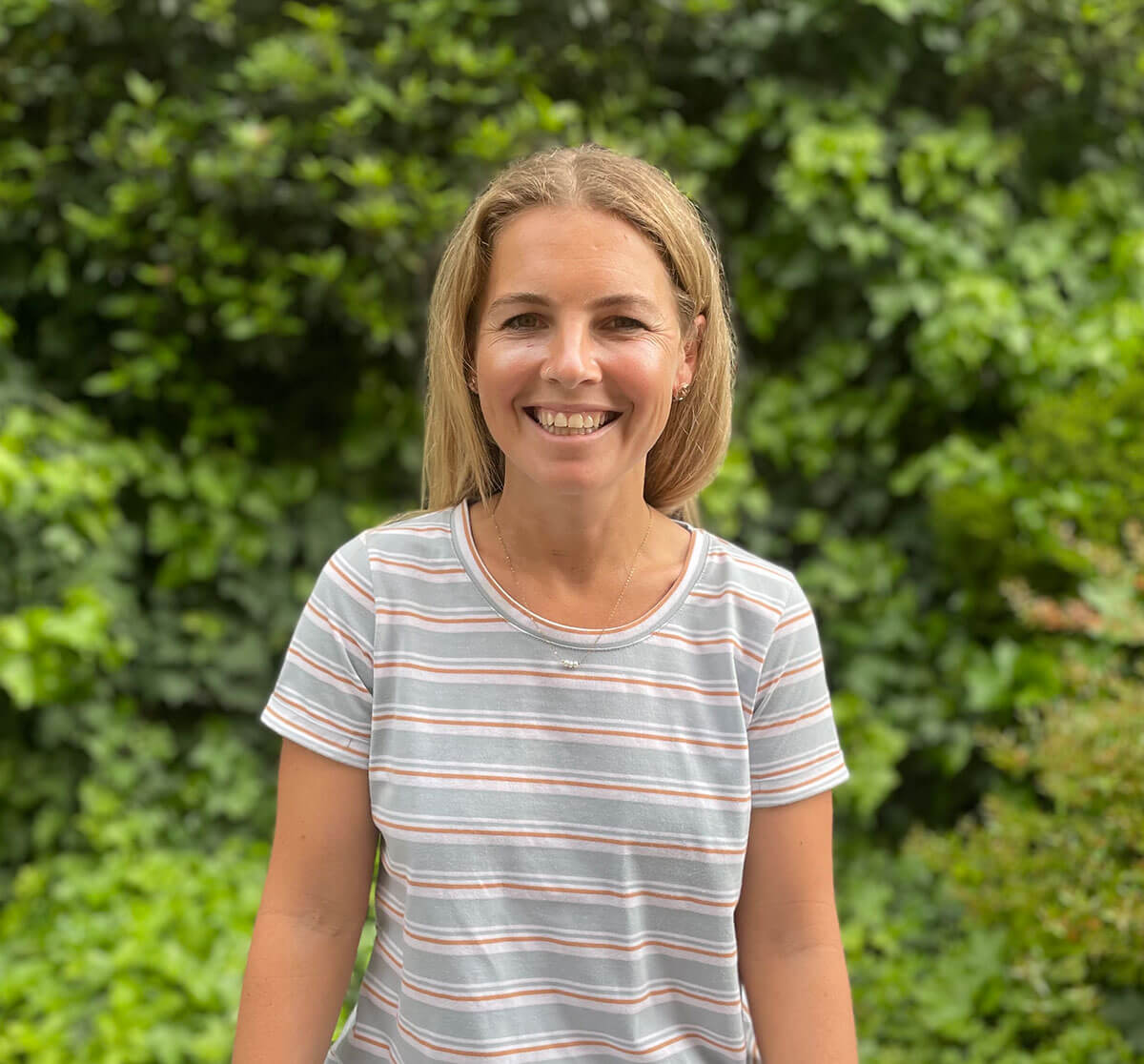
If you’re an older person with vision loss, Melina wants to speak with you! Melina loves working with older people, working on home modifications, ensuring a safe and practical environment for her clients.
Mel is big on health and enjoys going to the gym, walking her dogs and hitting the beach.
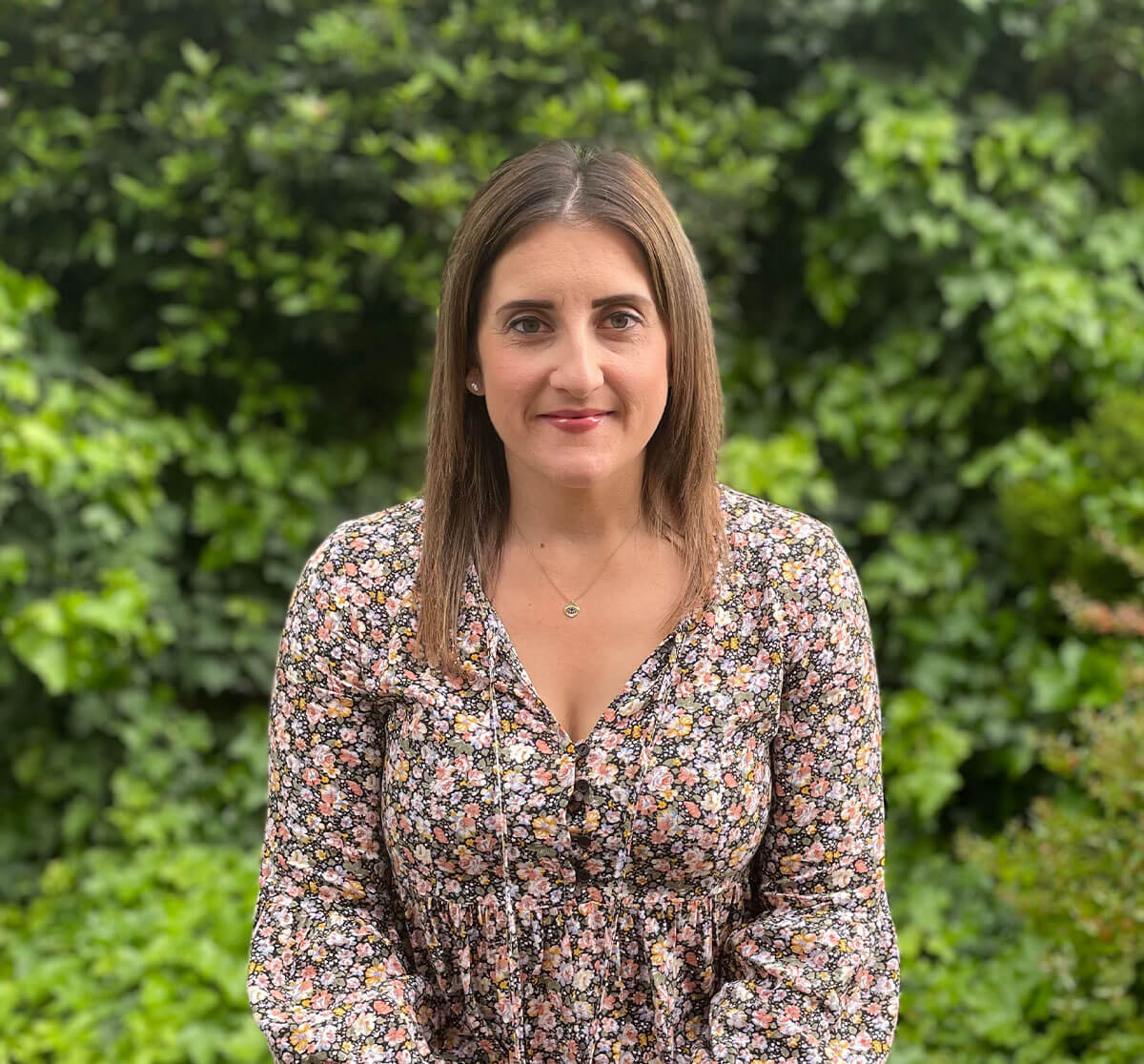
Holly loves variety, and as a qualified OT and Orientation and Mobility Specialist she has found herself in the ideal role. Holly loves being on the road and meeting people in their own homes where she can hear their stories and better understand their needs.
Holly also has a photographic memory and an exceptional knowledge of celebrity gossip! Keep a spot free on your next quiz night table…
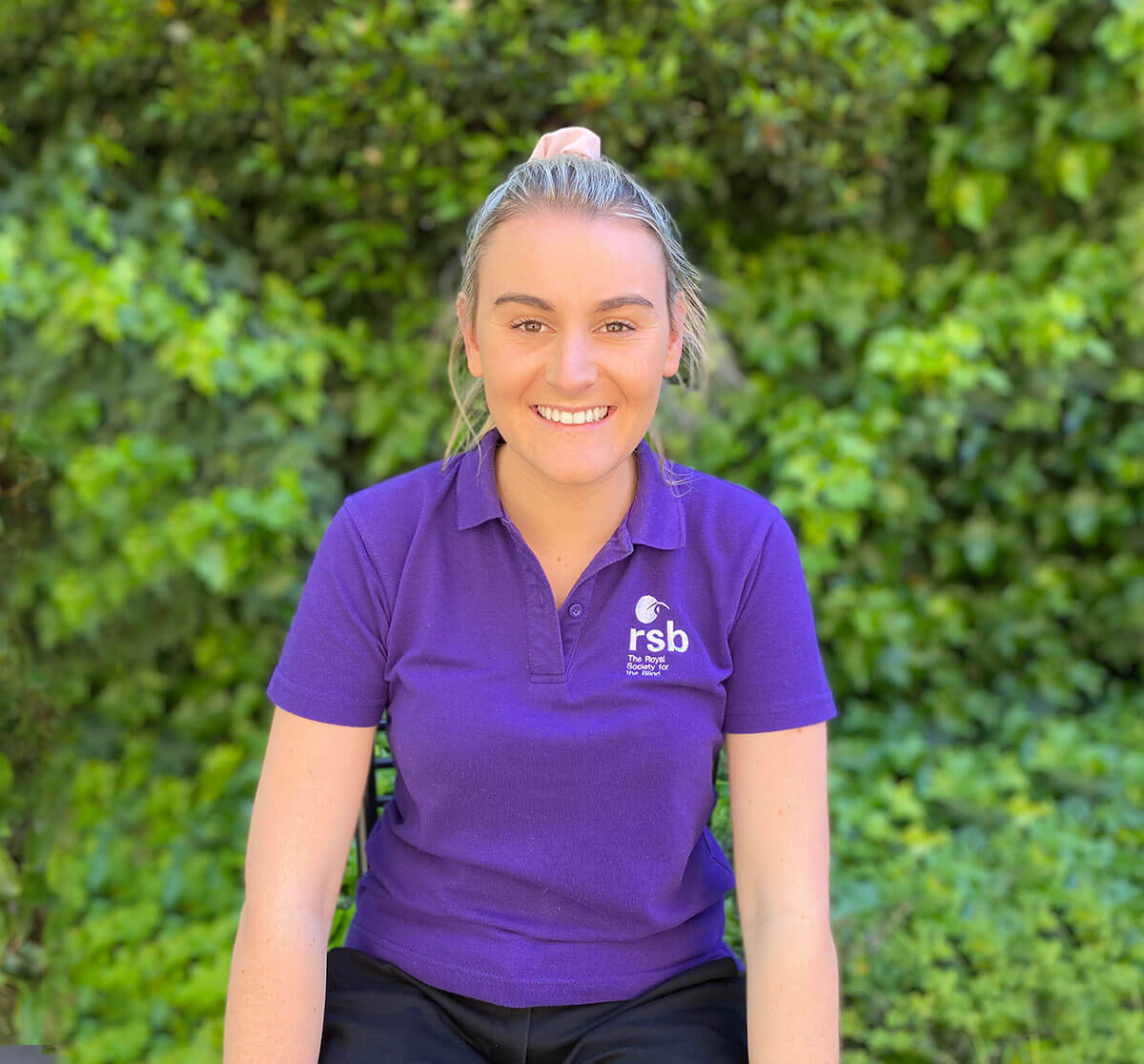
Shenade is inspired by her “incredible, driven and dedicated team at RSB every day!”. She is also inspired by learning and holds a Master’s in Occupational Therapy, Bachelor or Health Science and a Postgraduate degree in Disability Studies.
This all leads to her passion which is… supporting clients to reach their goals, big or small and helping them to engage in meaningful activities.
Shenade hails from Sevenhill, a small country town north of Adelaide with a population of 120 people.
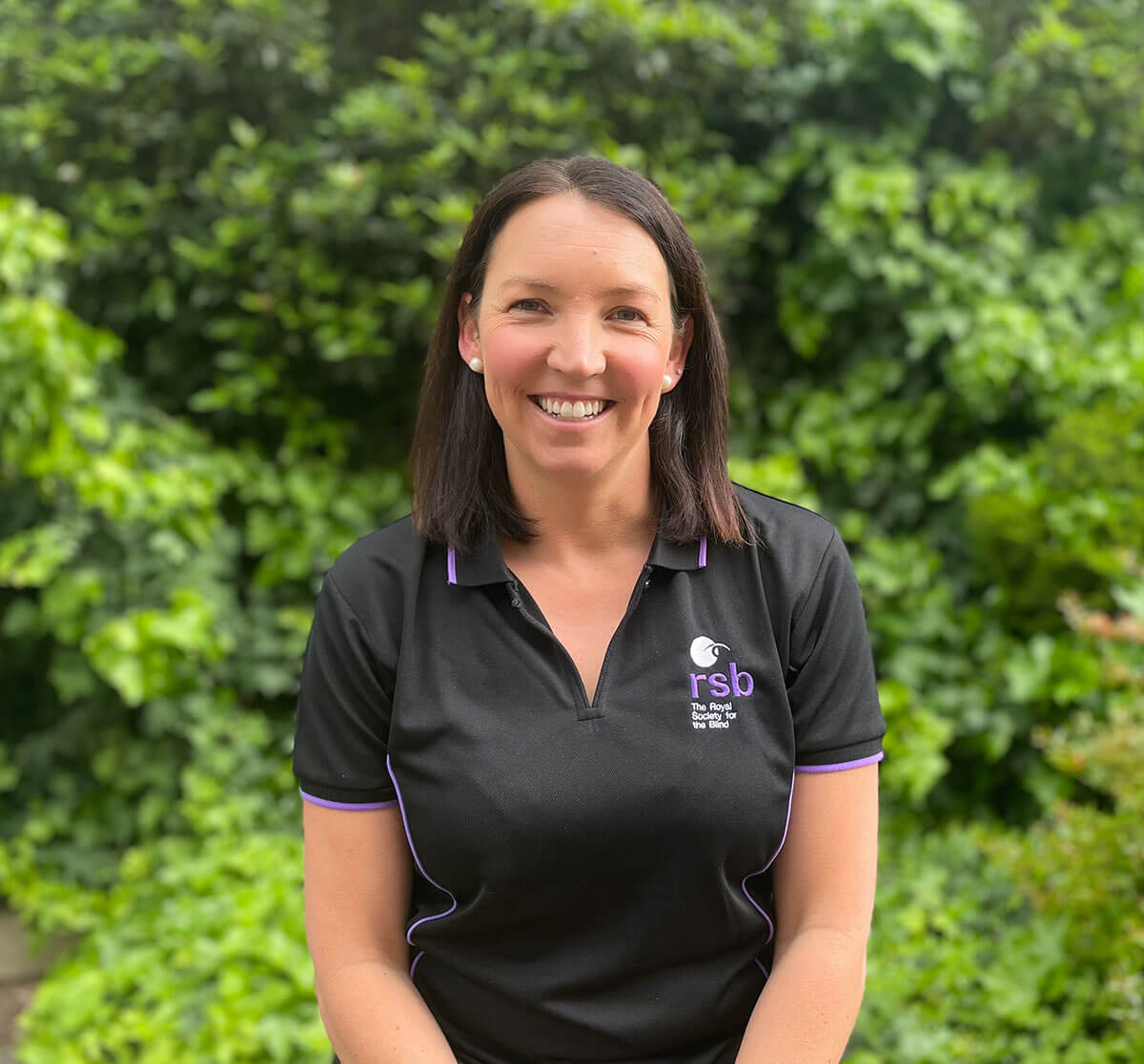
Leonie is big on family and for this reason the Animal Assisted Therapy program for kids with Autism is one of her favourites. The program offers a unique approach to therapy and seeing the kids interacting with the therapy dog and achieving their goals is truly inspiring.
Leonie also enjoys visiting people in their homes where she feels OT’s can make the biggest difference.
Leonie is at home at the river with her family, where she enjoys camping and water skiing.
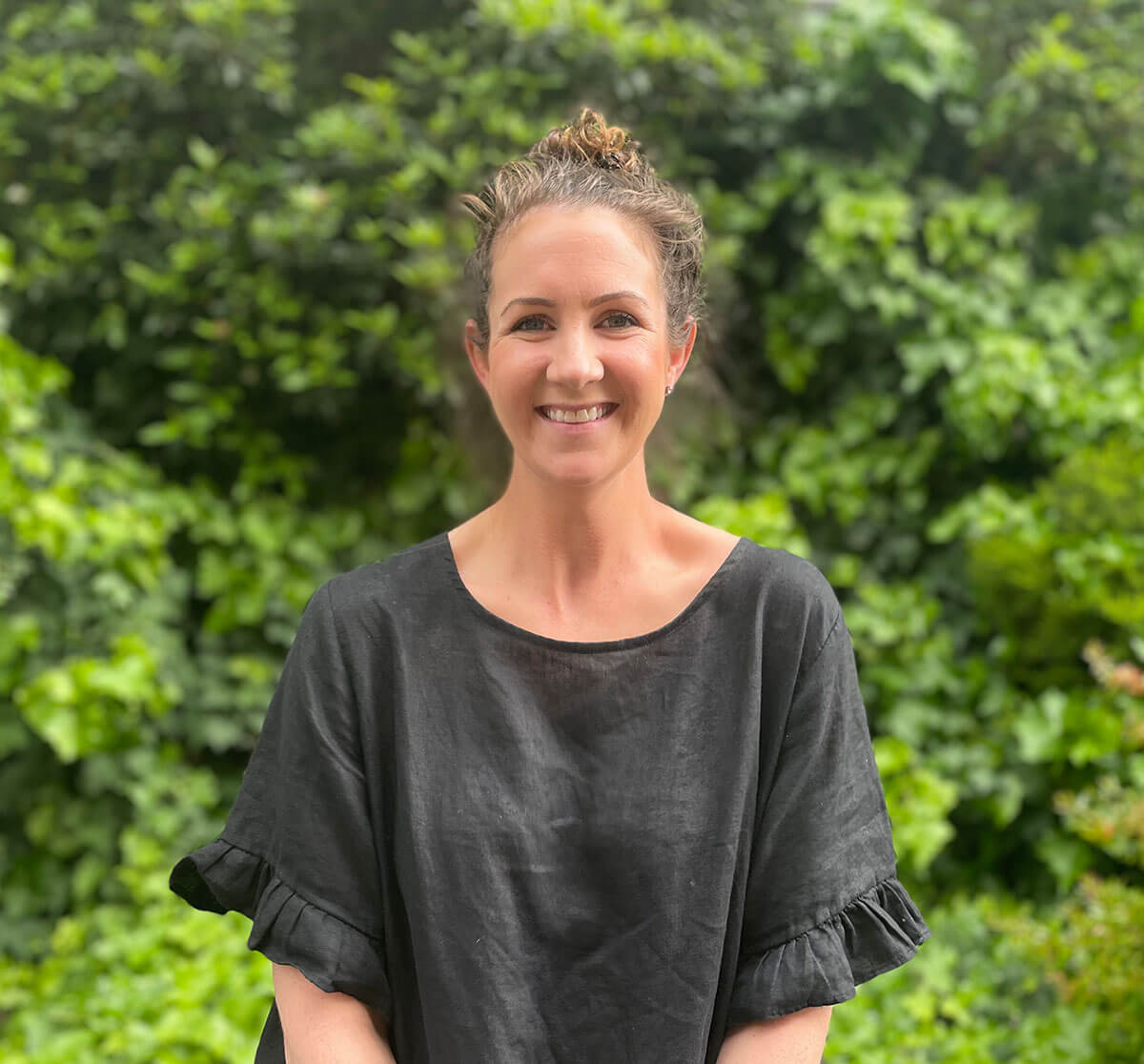
Hannah has been at RSB since graduating in 2012 and loves working with older people, learning about their lives and experiences, and supporting them to live independently.
The diversity of RSB’s clients and being surrounded by the fabulous OT team has Hannah excited to get to work each day!
Hannah has just returned to RSB from maternity leave and there’s never a dull moment at home, where she enjoys playing with her one-year-old son and spending family time at the beach.
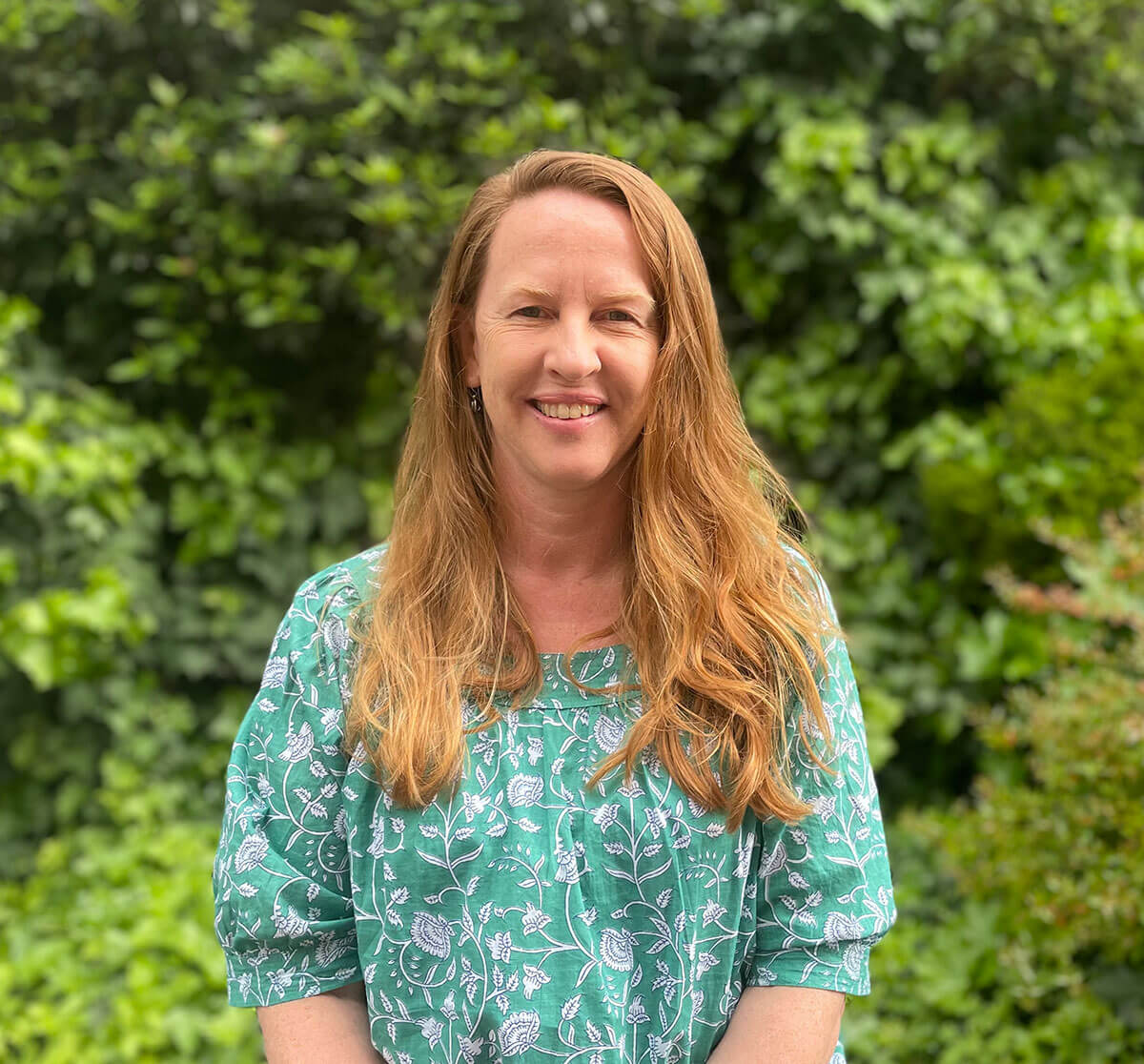
Sarah came to RSB with a background in mental health and loves learning from clients about how they have found ways to adapt to their vision impairment.
Sarah enjoys finding Assistive Technology solutions for individuals, with simple items often packing the biggest punch. Tactile markers are a favourite. Small and affordable, tactile markers in the home, can be difference between someone being independent with their daily tasks or needing to rely on others.
Sarah is based in RSB’s southern office and is big on the outdoors, spending time gardening, cycling, at live music and discovering new places.
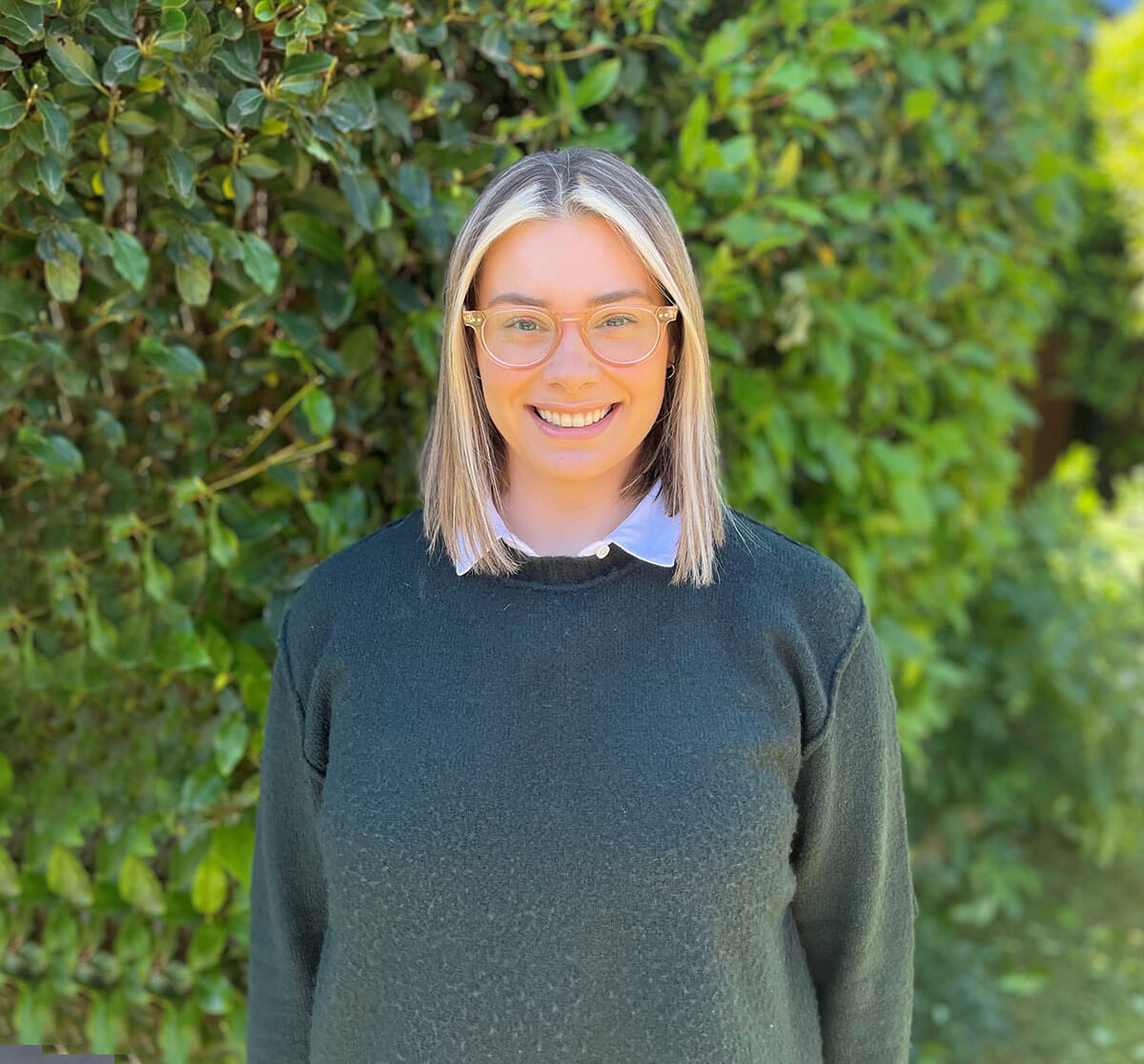
Sarah runs RSB’s northern cooking group where clients learn skills to be able to cook independently. Eating the food is another enjoyable part of the class, most recently lasagna and scones (not together!). As a passionate cook herself, Sarah has taken cooking classes in Italy, Thailand, Bali and locally.
Sarah loves hitting the road for RSB and visiting clients in regional areas. Streaky Bay is the furthest she has ventured so far, and she is looking forward to more travels in upcoming months.
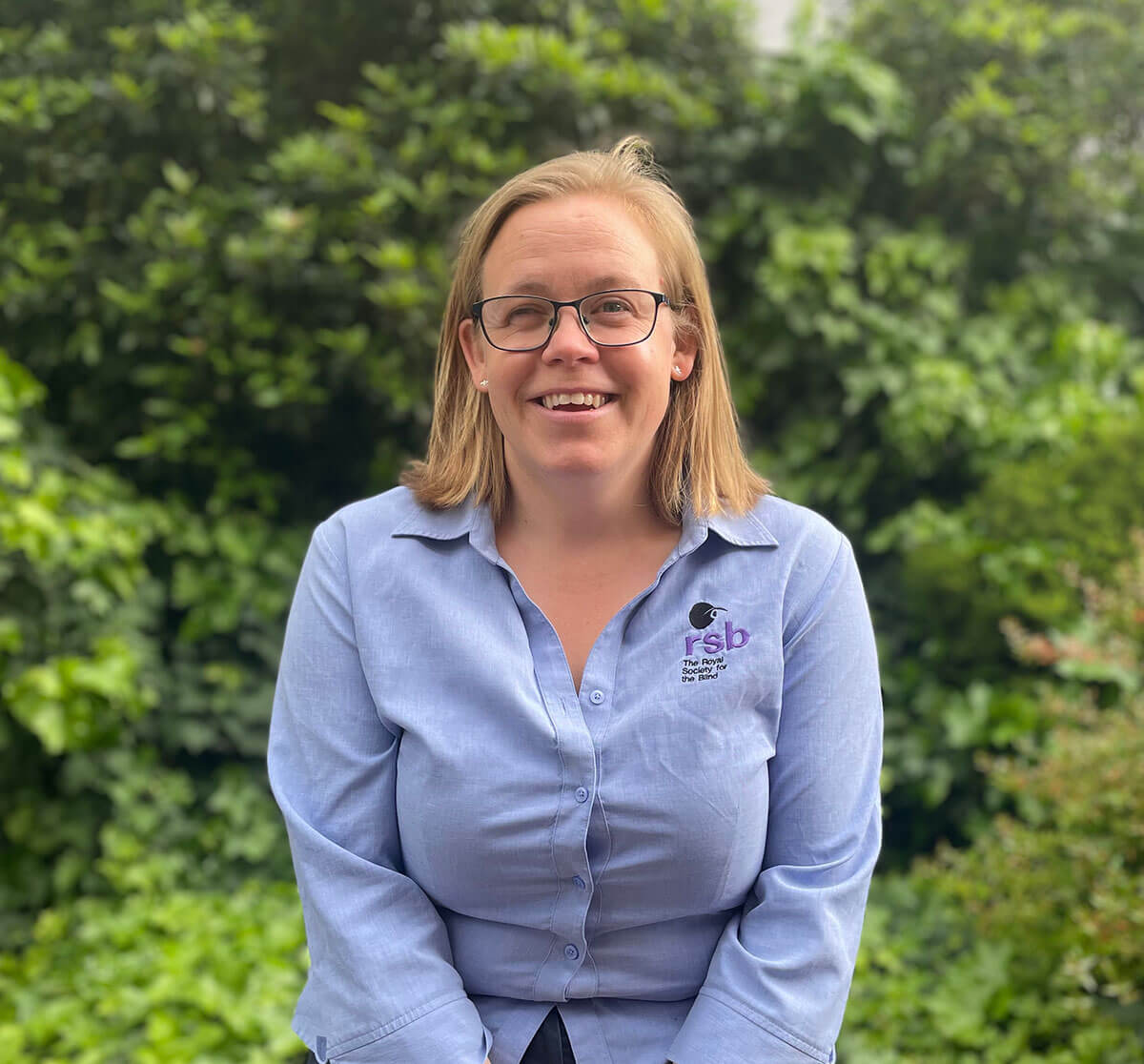
With over 12 years’ experience in the field of vision loss, Claire feels strongly that there is so much still to learn and is inspired by the daily challenge of learning something new. As an Assistive Technology specialist this extends to her knowledge and interest in the very latest in vision technology.
As an undergraduate, Claire spent time Uganda and Kenya where she worked on grass roots projects and supported cataract operations.
Also, if you’re looking for a Welsh speaker… contact Claire, who grew up in North Wales and is fluent in the language.
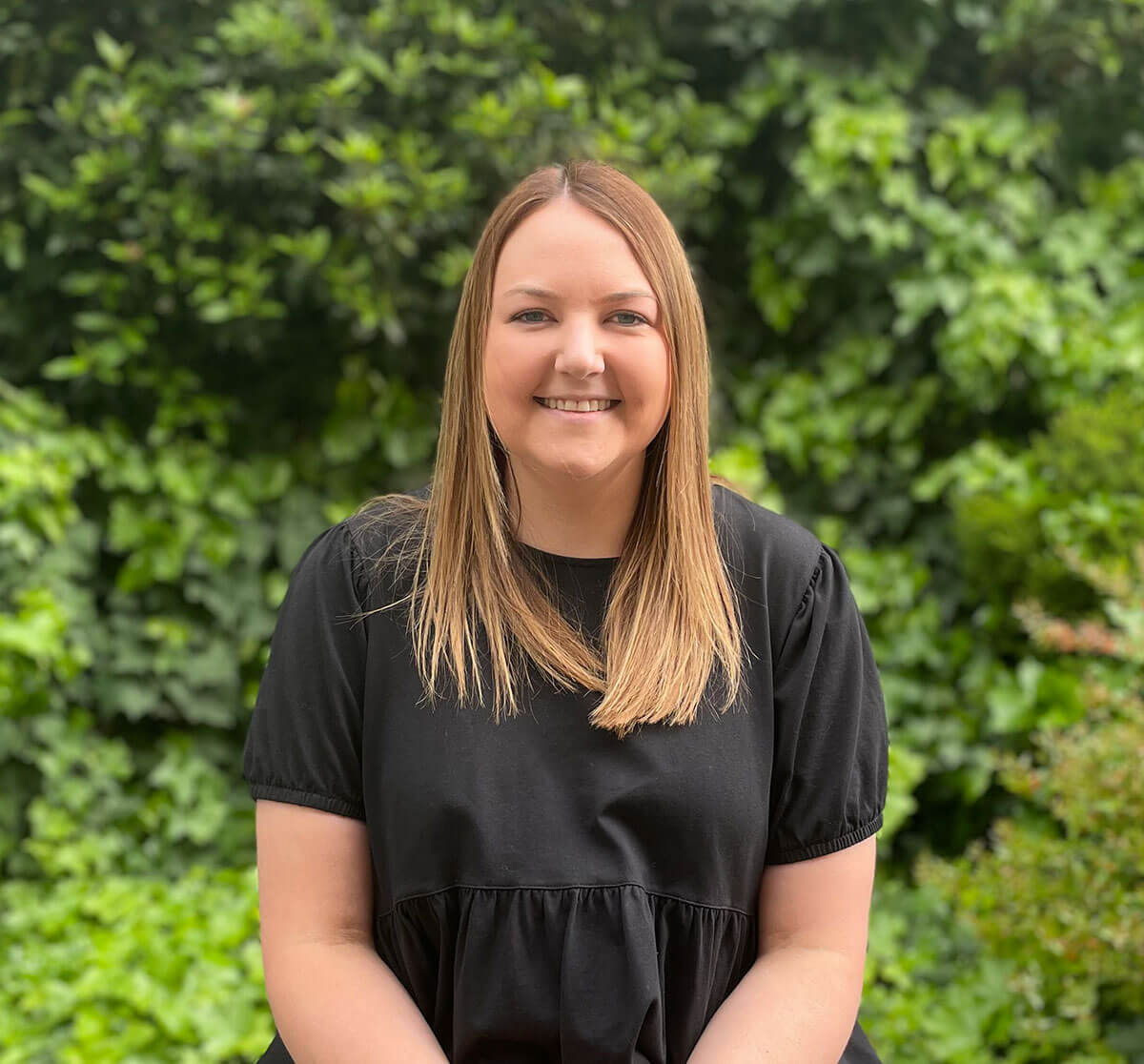
Amy loves working as a specialist in blindness and vision loss with people of all ages, helping them achieve optimal performance at home, school, work, and the wider community. Amy also thrives in the NDIS area, where she works hard to get the best results for her clients.
Having grown up in the Riverland, Amy loves being outdoors, and on the weekend, you’ll find her hitting the road visiting family in regional South Australia, camping and spending time with friends (and her gorgeous dog).
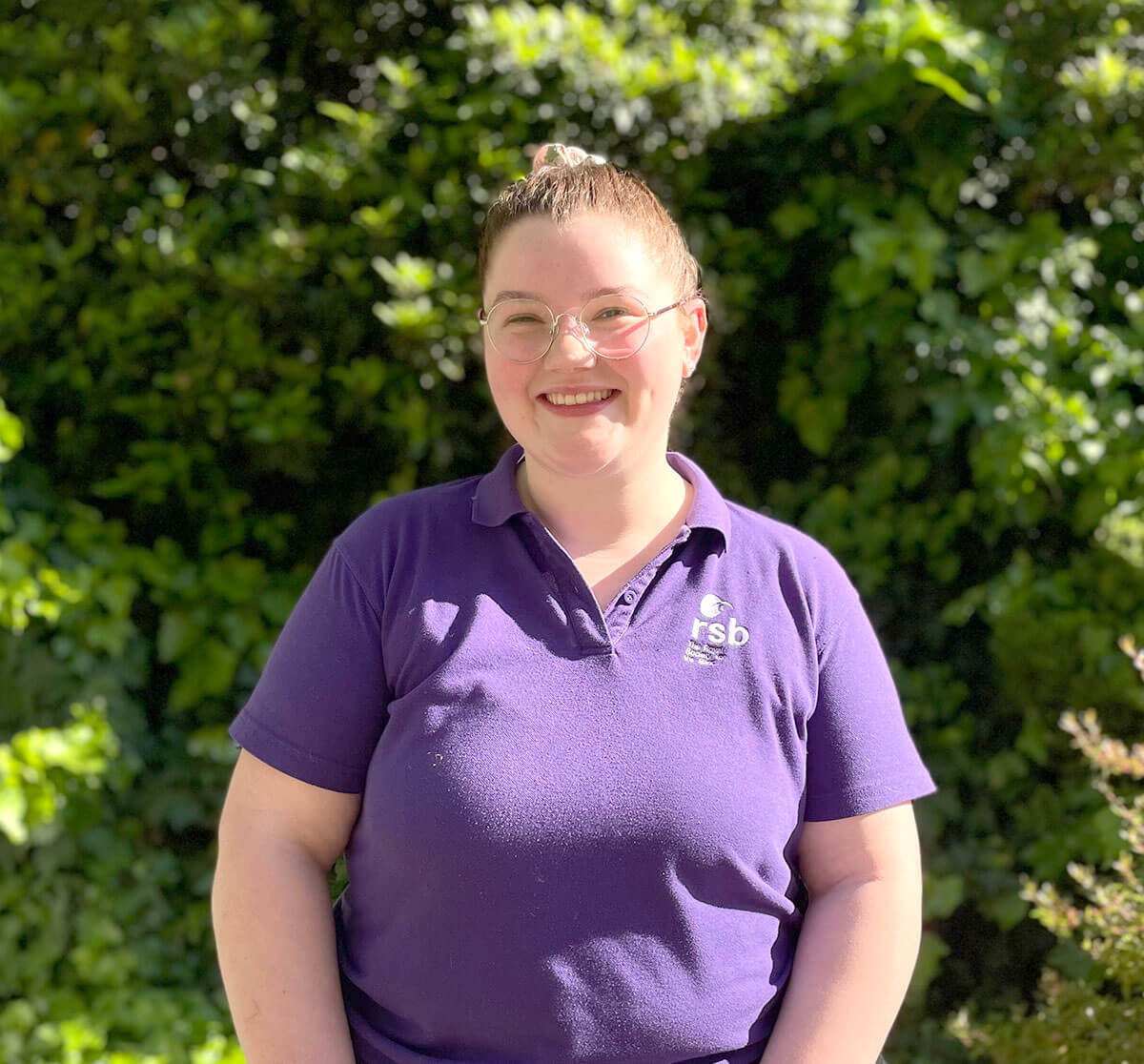
Dayna’s dad is a wheelchair bodybuilder and inspiration. He also has paraplegia, and it was though his interactions with OT’s as she was growing up that Dayna was introduced to the profession.
Dayna’s passion is cool technology, so if you’re looking for a run-down on the latest Assistive Technology devices for vision, she’s the one to talk to. The Talk Through Tech program for over 65’s looking to learn new skills is understandably her favourite at RSB.
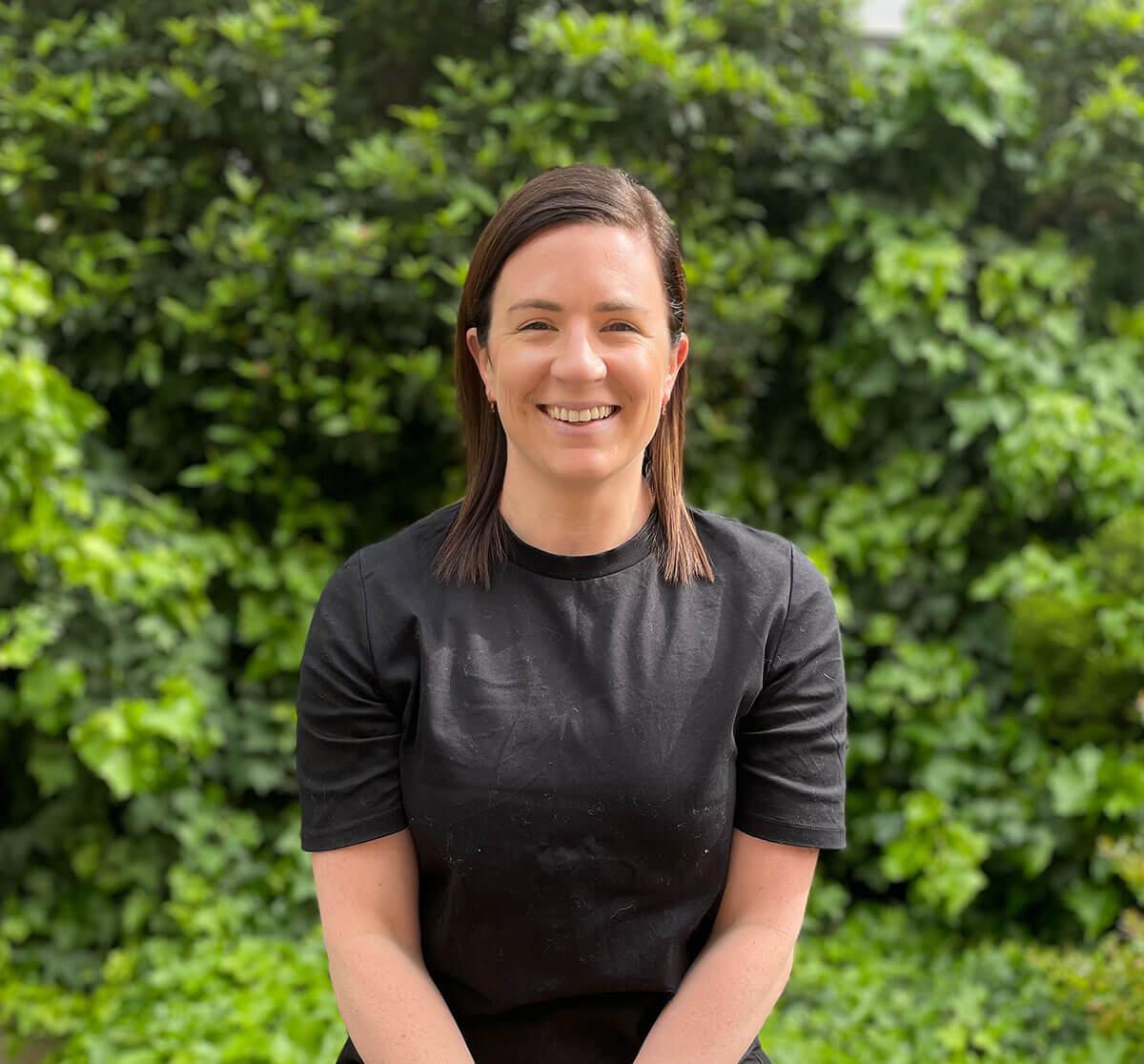
Lauren likes solutions. She loves being able to talk to clients about what it is they what to achieve, big or small, and finding ways to incorporate Assistive Technology or home modifications to enable great outcomes.
If she had to pick a favourite gadget it would be portable electronic magnifiers, which are easy to operate but pack a big punch in terms of increasing the capacity of individuals to undertake home and community-based tasks such as reading mail, following a knitting pattern or recipe, or reading price tags in the shop (without relying on someone else).
If Lauren looks familiar, you may have been at a wedding she presided over. A lover of love and celebrations, on weekends Lauren works as a marriage celebrant across South Australia.